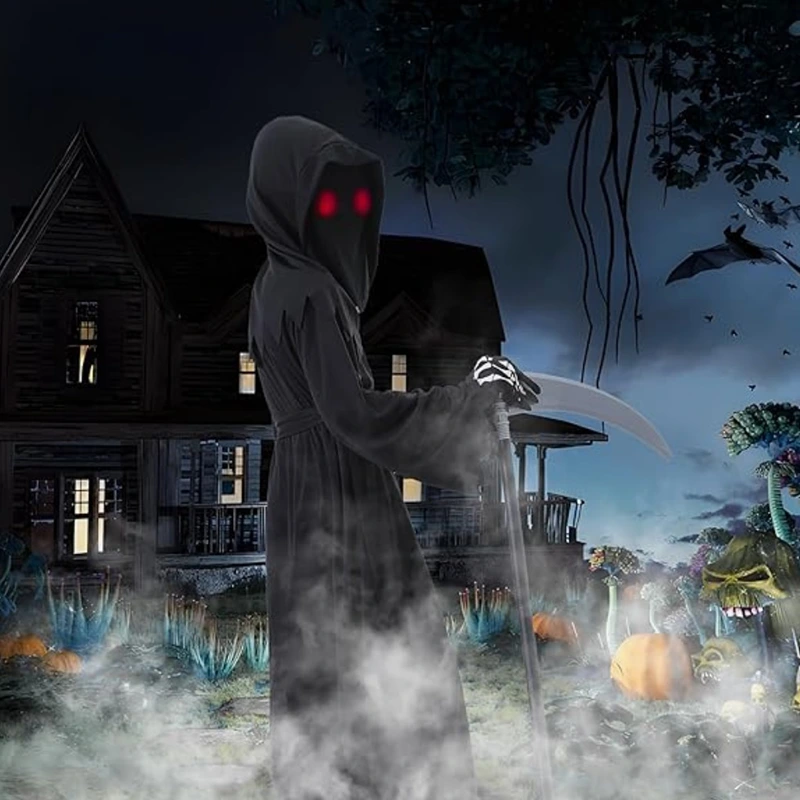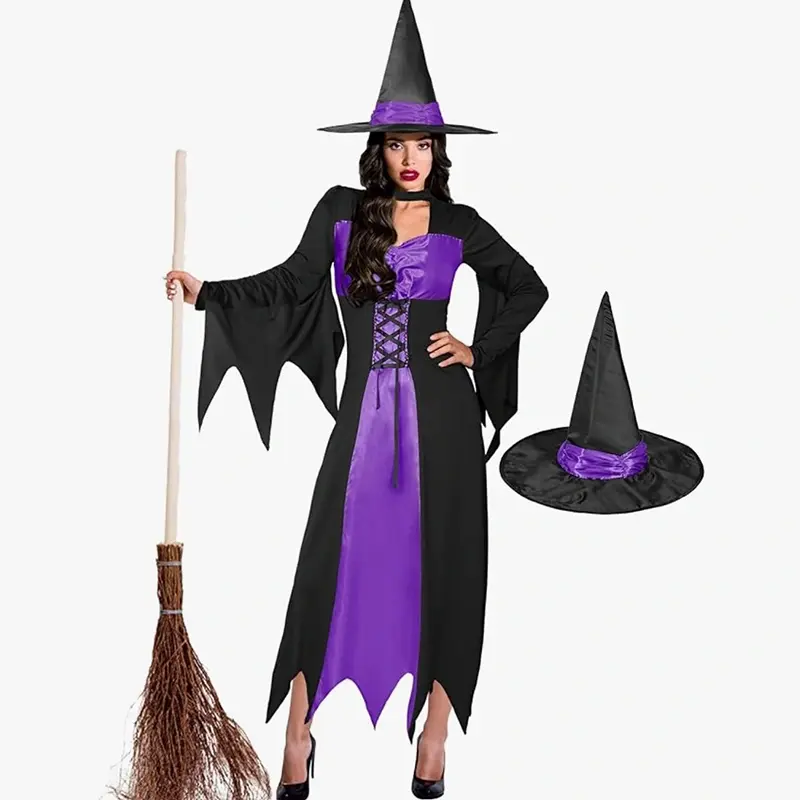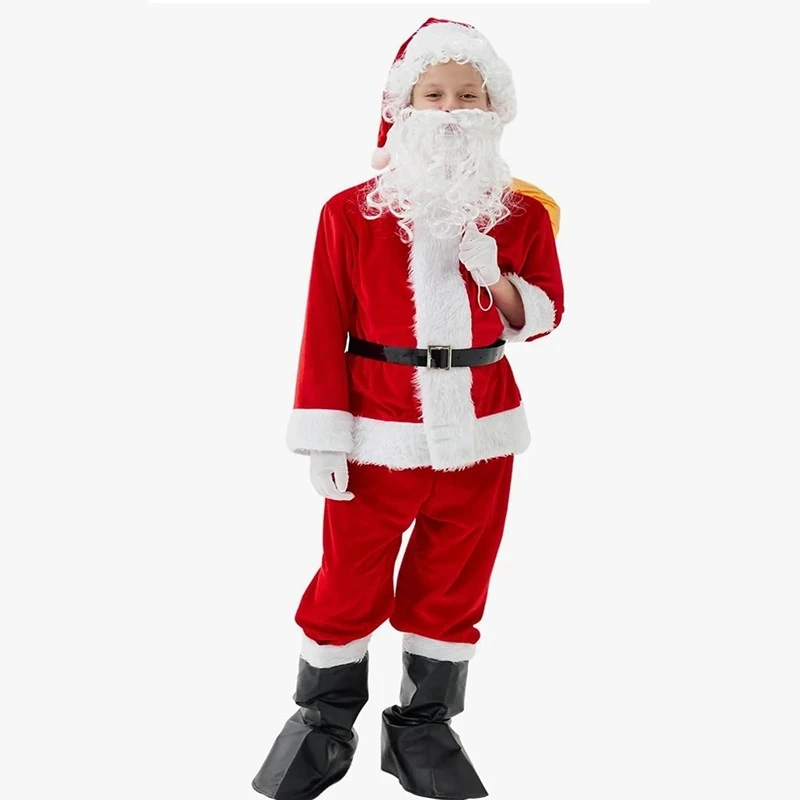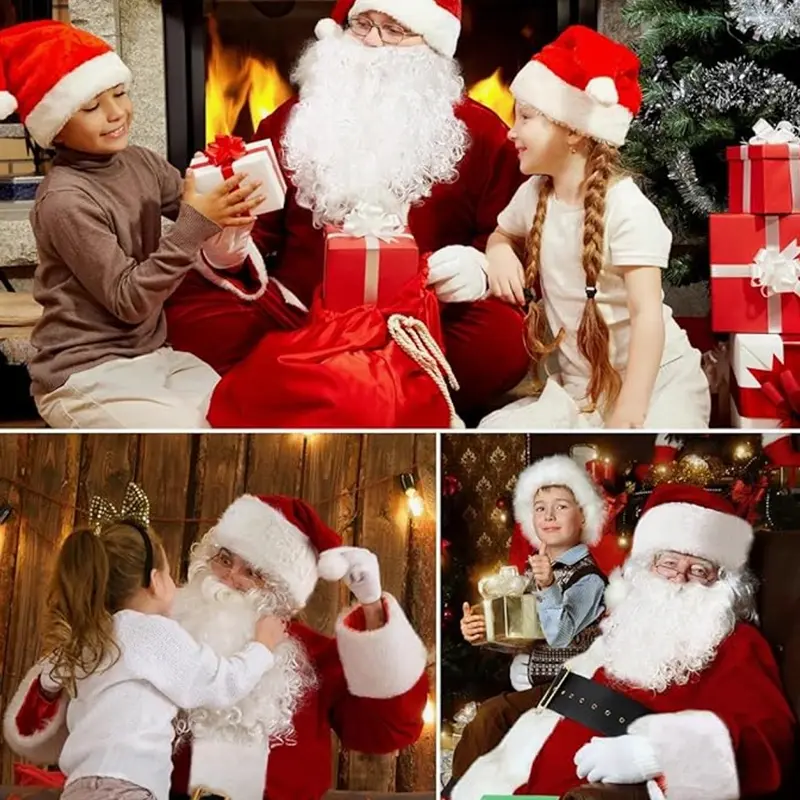
Children's costumes have traditionally been associated with Halloween, Christmas, school celebrations and other seasonal events. However, the role of dress-up clothing is becoming broader as children use costumes for imaginative play, themed activities, parties, performances and photoshoots throughout the year.
Recent industry coverage has also highlighted the potential of dress-up and role play as a year-round category rather than a product area limited to seasonal occasions. This shift is encouraging costume manufacturers to consider different character themes, construction details and application scenarios when developing new styles.
Table of Contents
From Seasonal Costumes to Year-Round Dress-Up
Halloween remains an important occasion for children's costumes, but it is no longer the only setting where dress-up clothing can be used. Children may wear character costumes at birthday parties, school activities, stage performances, themed events and family photoshoots.
This change creates a wider product development space for costume manufacturers. Instead of designing a style around one holiday only, manufacturers can consider whether the same character concept can work across several occasions.
For example, a dragon, animal, fantasy or story-based costume can be used for both seasonal celebrations and everyday role play. This allows the product concept to be connected with different periods of the year rather than being limited to one event.
Character Themes Remain Important
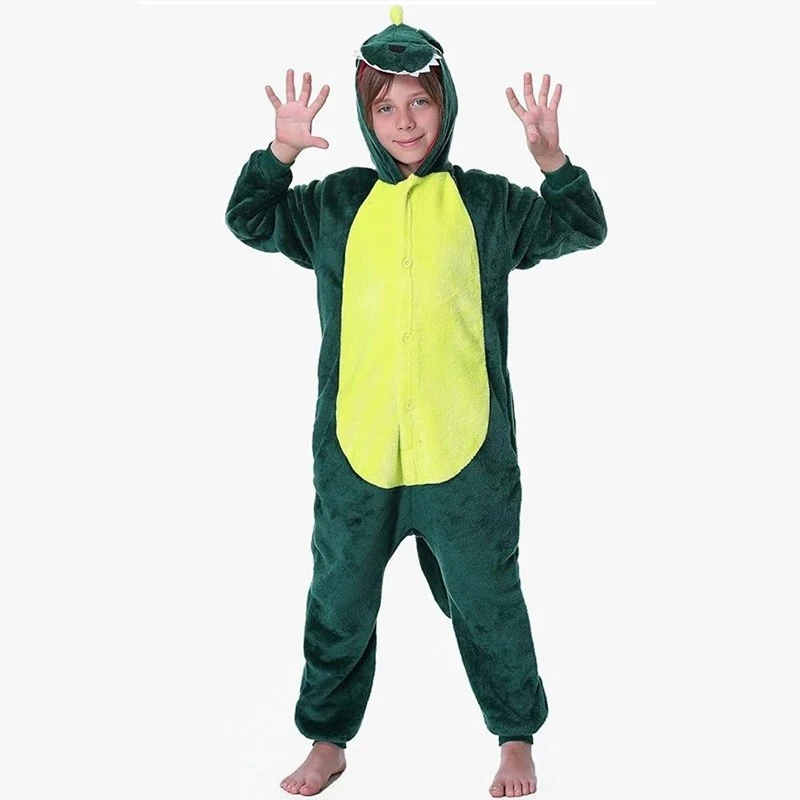
Character-based design continues to be a central part of children's dress-up clothing. Animals, fantasy characters, holiday figures and fictional themes provide recognizable visual elements that can be adapted into different costume structures.
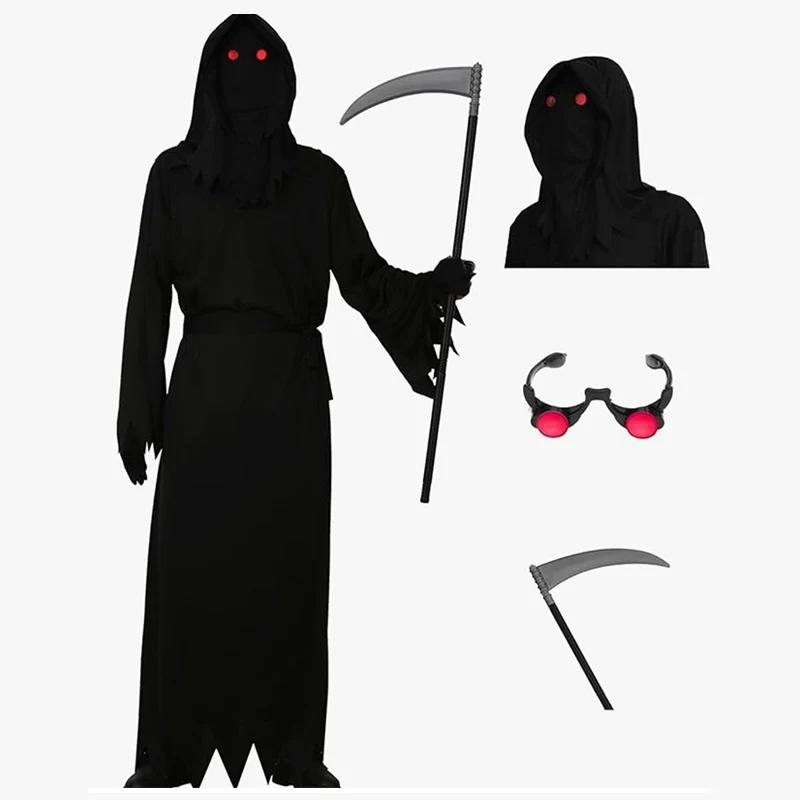
Hao Wangjiao's product range covers several of these directions, including Halloween Costumes, Christmas costumes and cosplay styles. The website currently groups its costume products into different seasonal and character categories, reflecting the variety of applications within the costume industry.
For manufacturers, this means that character development is not only about the visual appearance. Hoods, wings, tails, masks, capes, printed details and other components can all influence how a character is represented through clothing.
Product Design Is Becoming More Practical
As costumes are used in more settings, practical construction can become part of product development. A costume may need to be easy to put on, suitable for movement and convenient to store or transport.
Detachable components are one example. Wings, tails and other decorative elements can be separated from the main garment when required. Adjustable fastening structures can also provide an additional way to manage fit within the applicable size range.
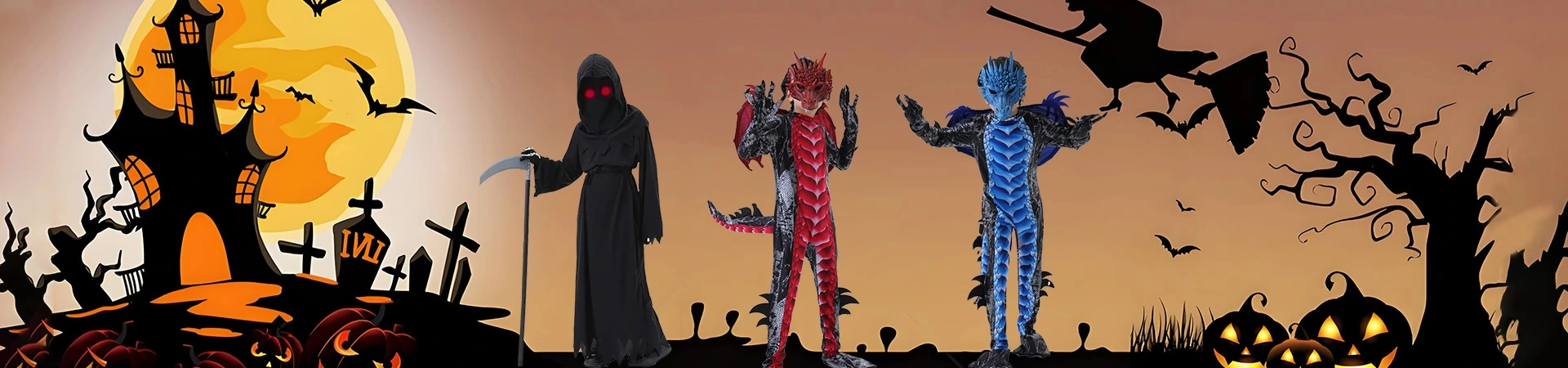
One example is Kids Dragon Role Play Costume with Adjustable Fastenings, which combines a hooded one-piece structure with adjustable fastening points, detachable wings and a matching dragon tail. The design is intended for children's role play, dress-up activities, parties and themed events.
More Application Scenarios
The expansion of dress-up beyond traditional holidays means that costume collections can be developed around different activity types.
1. Role Play: Children's costumes can be used for imaginative play at home, daycare centers and activity spaces.
2. School Activities: Character clothing can be used for school plays, storytelling sessions, themed days and other educational activities.
3. Parties and Events: Birthday parties, themed celebrations and family activities can create additional occasions for costume use.
4. Stage and Cosplay: More detailed character costumes can be used for stage performances, cosplay events, photoshoots and related activities.
This broader application range is also reflected in the different categories available from Cosplay Costumes, where costume designs are used for anime, gaming, film, stage performances, themed parties and photoshoots.
What This Means for Costume Manufacturing
For manufacturers, a broader range of applications means that product development needs to consider more than the appearance of a costume. Materials, garment construction, component attachment, sizing, packaging and production processes can all affect the final product.
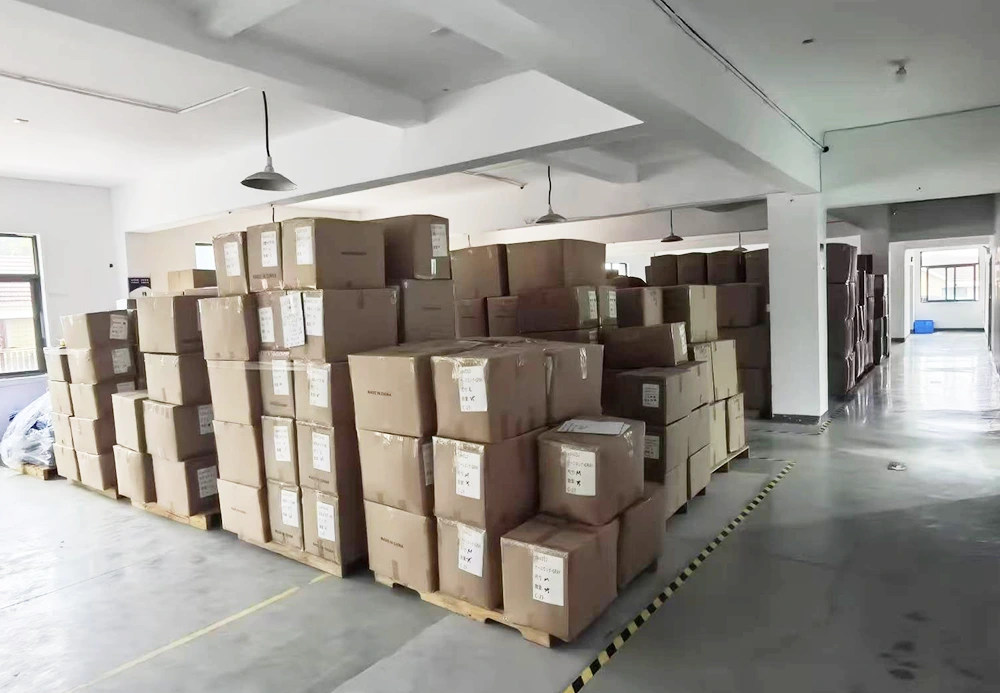
Hao Wangjiao has been engaged in costume manufacturing since 2011. Its current production information states that the company operates a factory of more than 3,000 square meters and maintains a sample library of more than 2,000 costume designs. Its manufacturing process covers design development, sampling, cutting, sewing, quality inspection, packaging and shipment.
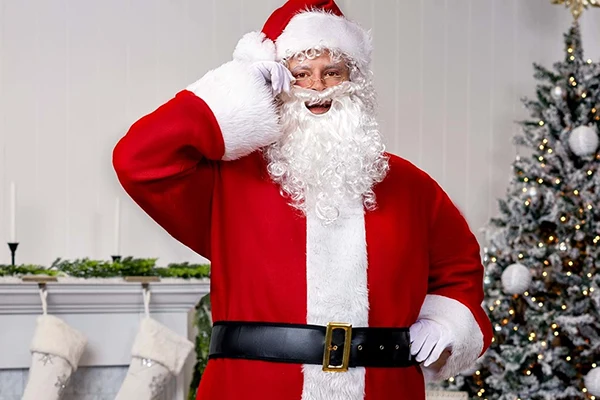
Seasonal products also remain an important part of the industry. Alongside Halloween and cosplay products, Christmas Costumes provide another category built around a specific holiday while still allowing different character and event applications.
Conclusion
The children's costume industry is gradually moving beyond a model based only on major seasonal holidays. Role play, school activities, parties, performances and themed events provide additional occasions for children to use character clothing throughout the year.
For costume manufacturers, this creates room to develop products around different character themes while paying greater attention to construction, detachable components, fit and practical use. As dress-up continues to connect with more types of children's activities, product variety and application-based design are likely to remain important parts of costume development.