Seasonal costumes have a different production cycle from many everyday apparel products. Halloween, Christmas, cosplay events, school activities and themed performances can create demand at different times of the year, while product development and manufacturing often need to begin well before the actual event.
For costume manufacturers, seasonal production is therefore not only about creating new designs. It also involves sample development, material preparation, production planning, quality inspection and shipment coordination. Understanding these stages can help explain how a costume moves from an initial design concept to a finished product.
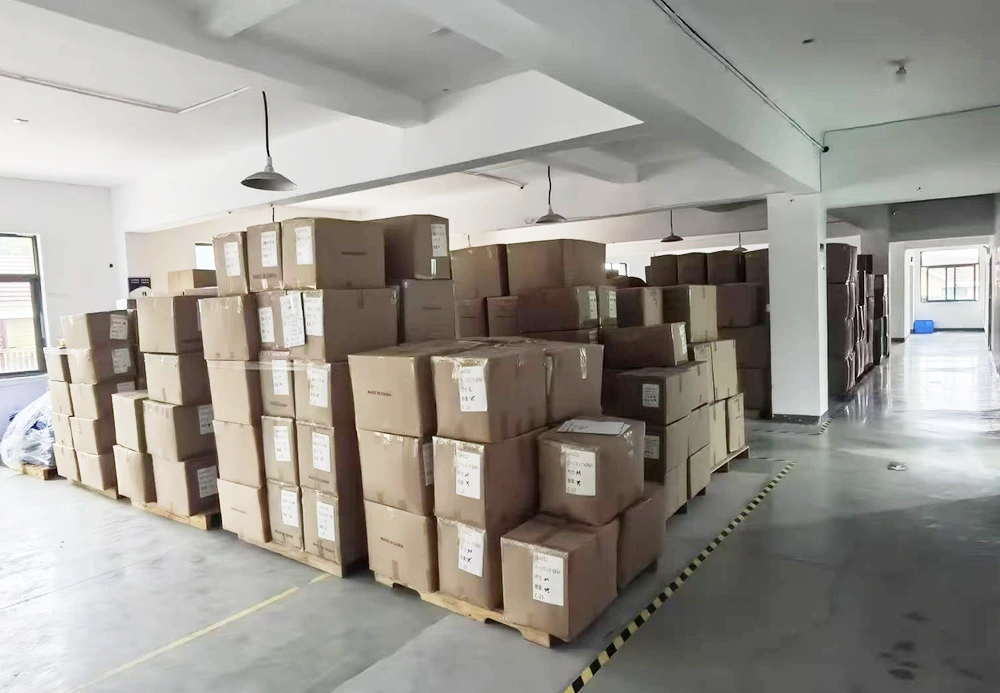
Table of Contents
Why Seasonal Planning Matters
Costume production is closely connected with event calendars. Halloween collections need to be prepared ahead of the autumn season, while Christmas costumes follow a different development and production schedule. Cosplay products may have a less fixed seasonal cycle but can still be connected with conventions, performances, themed events and entertainment activities.
This makes production planning an important part of costume manufacturing. Manufacturers need to consider the time required for design confirmation, sampling, material preparation, cutting, sewing, inspection, packaging and shipment.
For seasonal collections, an earlier start can also provide more time to review samples and make necessary changes before bulk production begins.
From Costume Design to Sampling
The development process normally starts with a costume concept or reference. The design may define the character, garment structure, colors, accessories, materials and other details that need to be reflected in the finished costume.
Sampling then provides an opportunity to check whether the intended design can be translated into an actual garment. Construction details such as seams, closures, attached accessories, detachable components and overall proportions can be reviewed at this stage.
For example, a Halloween costume may require a different construction approach from a stage costume. A children's character costume may also require different component arrangements from an adult cosplay costume.
Hao Wangjiao provides costume design and development services covering different seasonal and character-based categories. Its existing sample library contains more than 2,000 costume designs, covering Halloween, Christmas, cosplay and other themed apparel.
Production Requires Multiple Stages
Once the design and sample are confirmed, production moves into a series of connected stages. Each stage affects the following process, so the construction of the costume needs to be considered before production begins.
1. Material Preparation: Materials are prepared according to the confirmed costume structure and production requirements.
2. Cutting: Fabric is cut according to the required pattern pieces and garment construction.
3. Sewing: Cut components are assembled into the main garment and related costume parts.
4. Component Assembly: Accessories and character elements are attached or assembled according to the design.
5. Inspection: Finished costumes are checked for stitching, fabric, size and appearance before packing.
6. Packaging and Shipment: After final inspection, finished products are packed and prepared for shipment.
These stages apply across different costume categories, although the specific construction and inspection points can vary according to the product.
Different Costume Categories, Different Requirements
Halloween Costumes
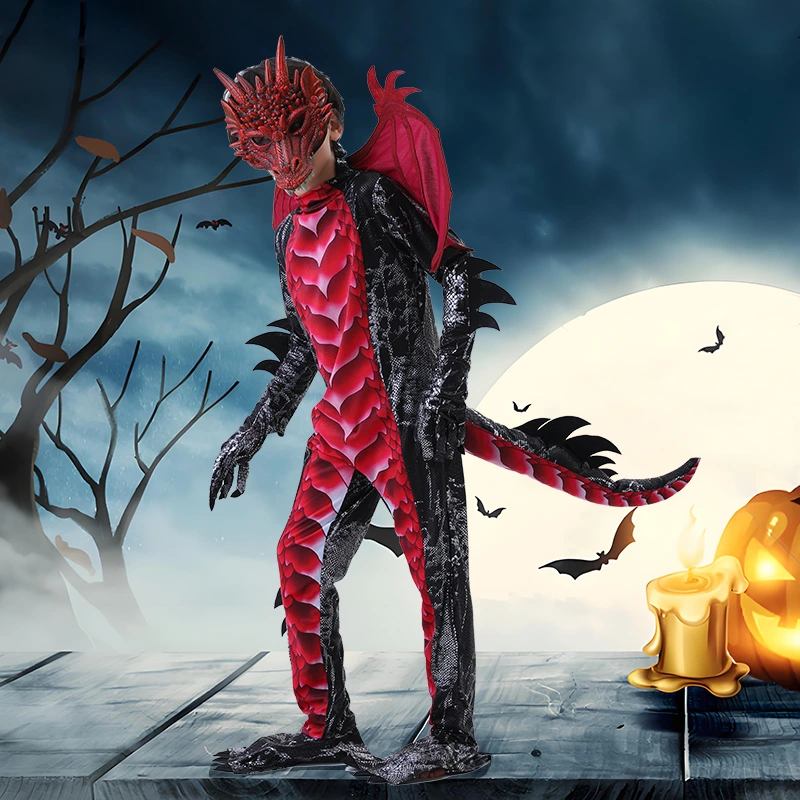
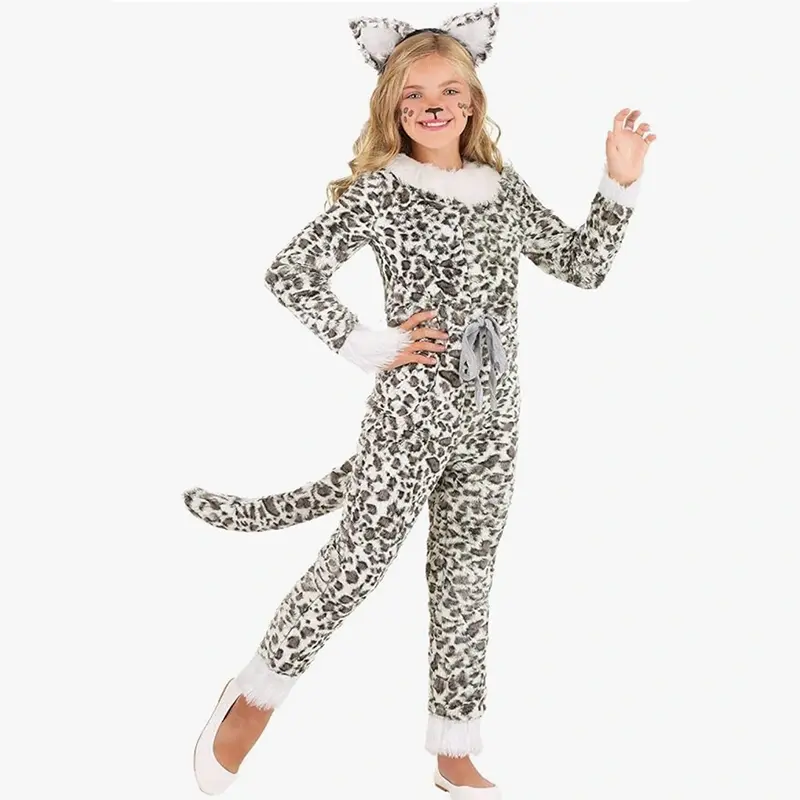
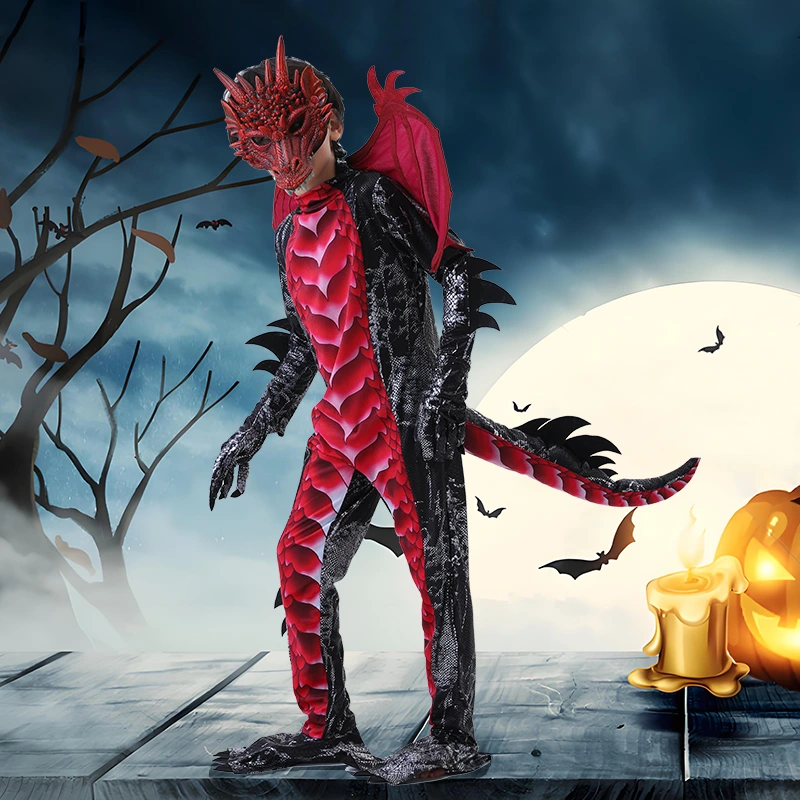
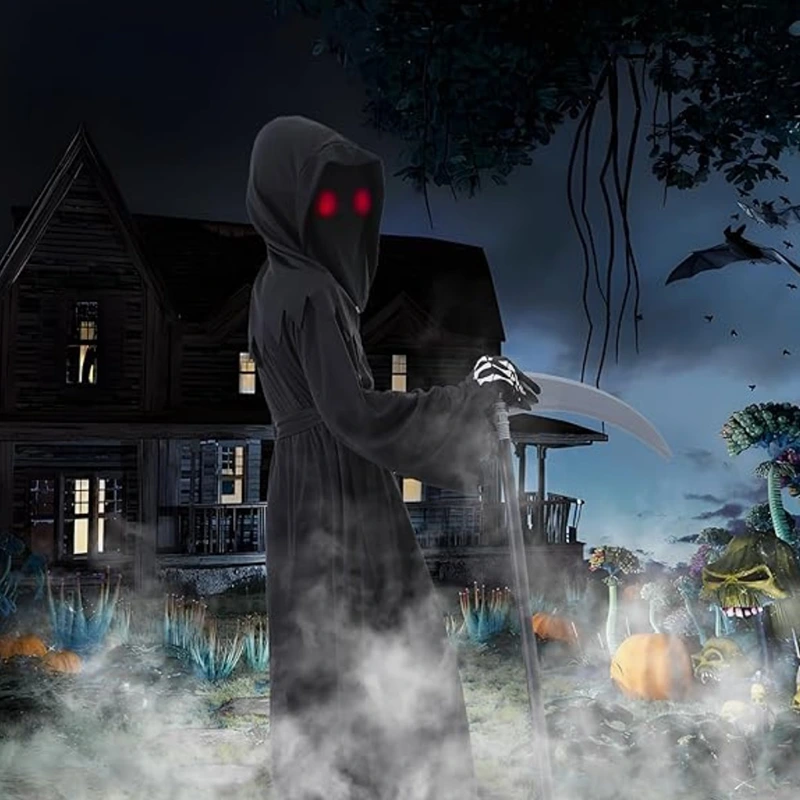
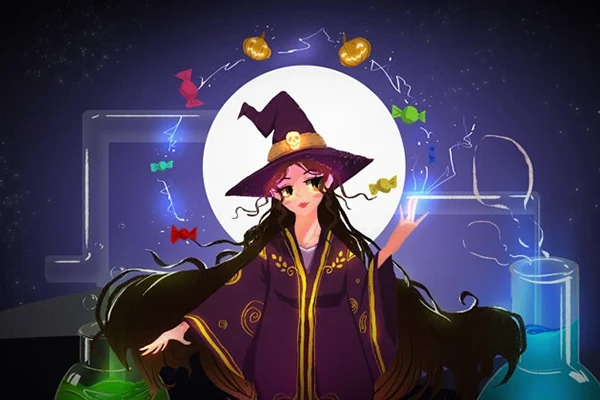
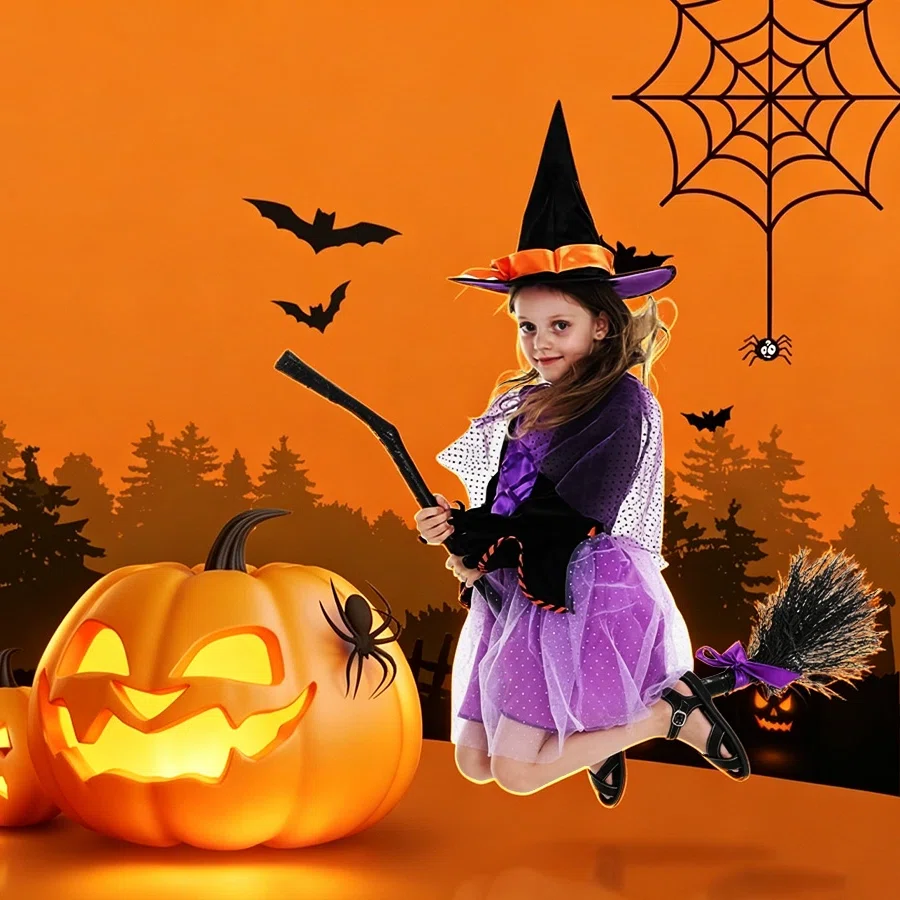
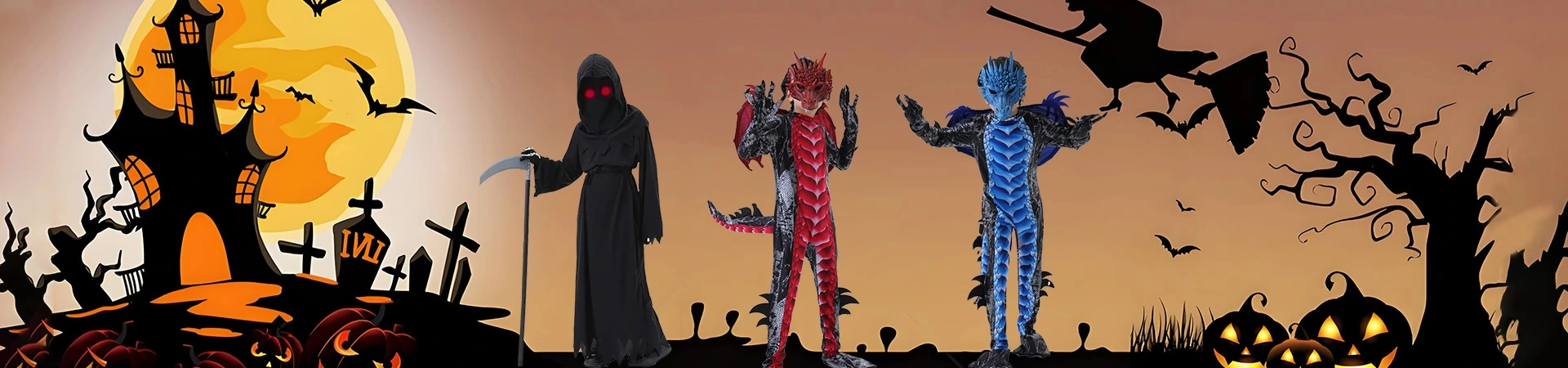
Halloween Costumes can cover gothic characters, witches, monsters, fantasy figures and other seasonal themes. Depending on the design, costumes may include hoods, masks, layered garments, decorative components or character accessories.
Christmas Costumes
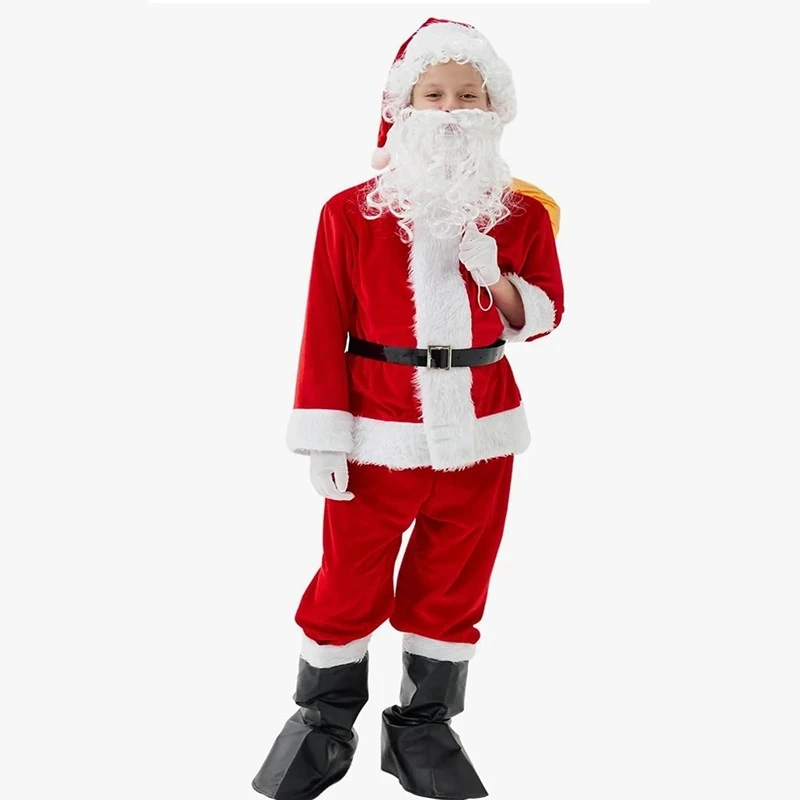
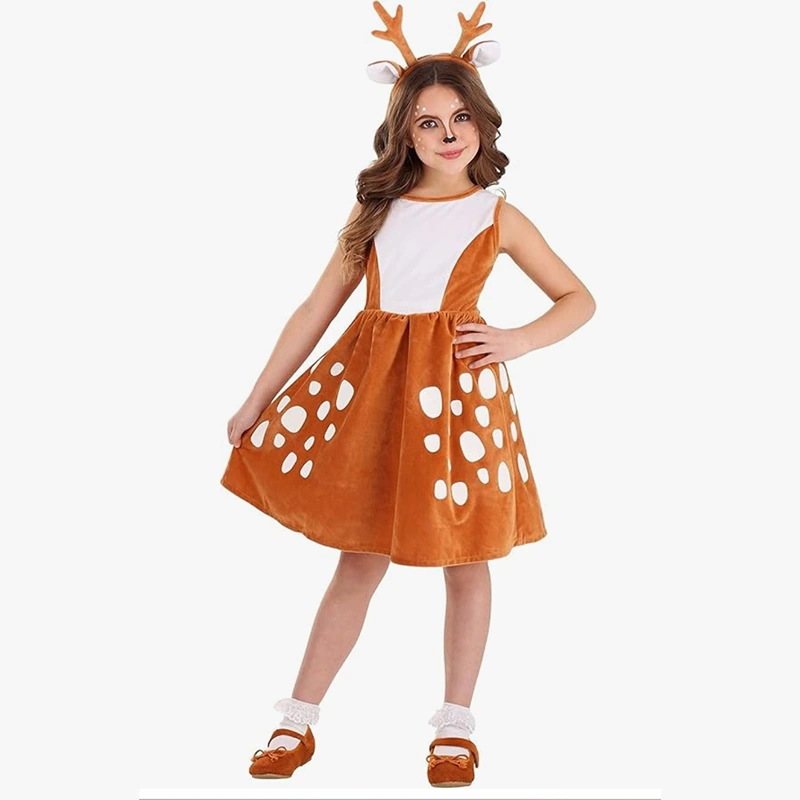
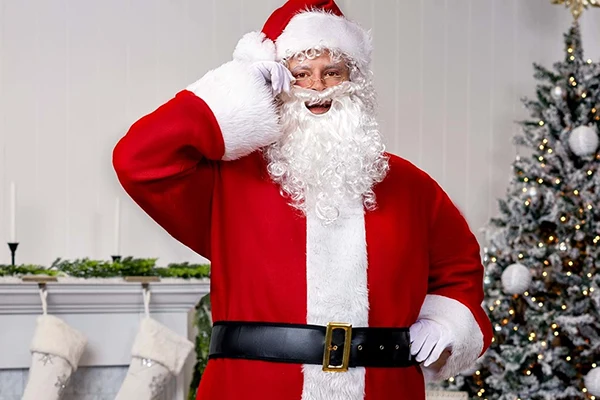
Christmas Costumes include Santa Claus, reindeer and other holiday-themed clothing and accessories. These products can be used for Christmas parties, school activities, stage performances and seasonal events.
Cosplay Costumes
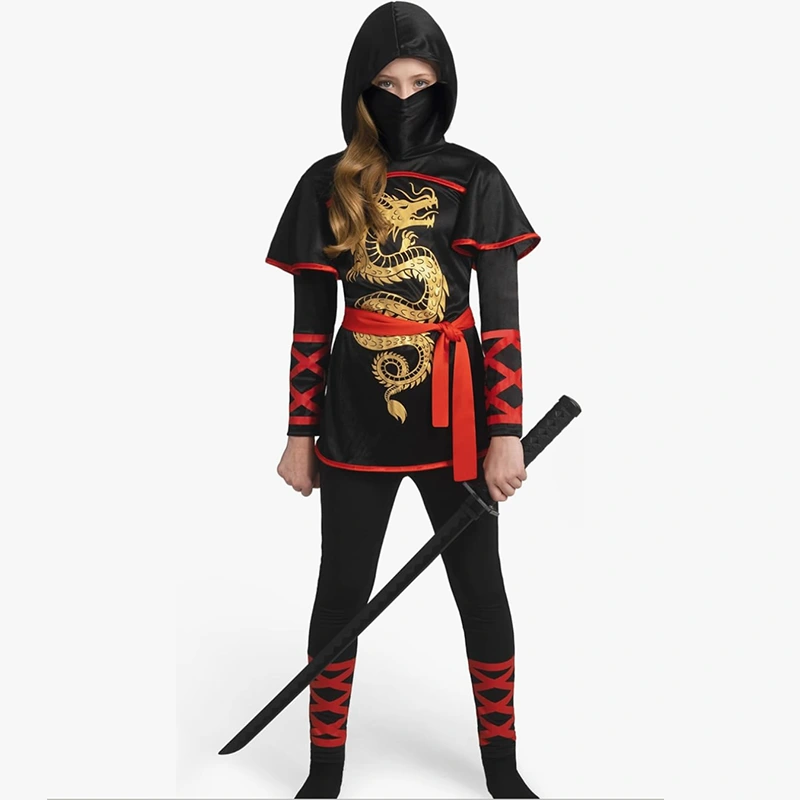
Cosplay Costumes generally require more attention to character-specific details. Depending on the design, materials and construction can include polyester, PU leather, EVA foam, printed patterns, painted details and detachable costume elements.
Although these categories have different visual themes and applications, they share several manufacturing stages. The main differences are usually found in design details, materials, garment construction and accessory requirements.
Quality Inspection Before Shipment
Quality inspection is another important stage in seasonal costume manufacturing. A finished costume needs to be checked before packing so that construction problems can be identified before shipment.
Inspection can cover areas such as stitching, fabric condition, size accuracy, appearance and the attachment of costume components. For products with detachable accessories or special construction, the relevant components also need to be checked according to the confirmed design.
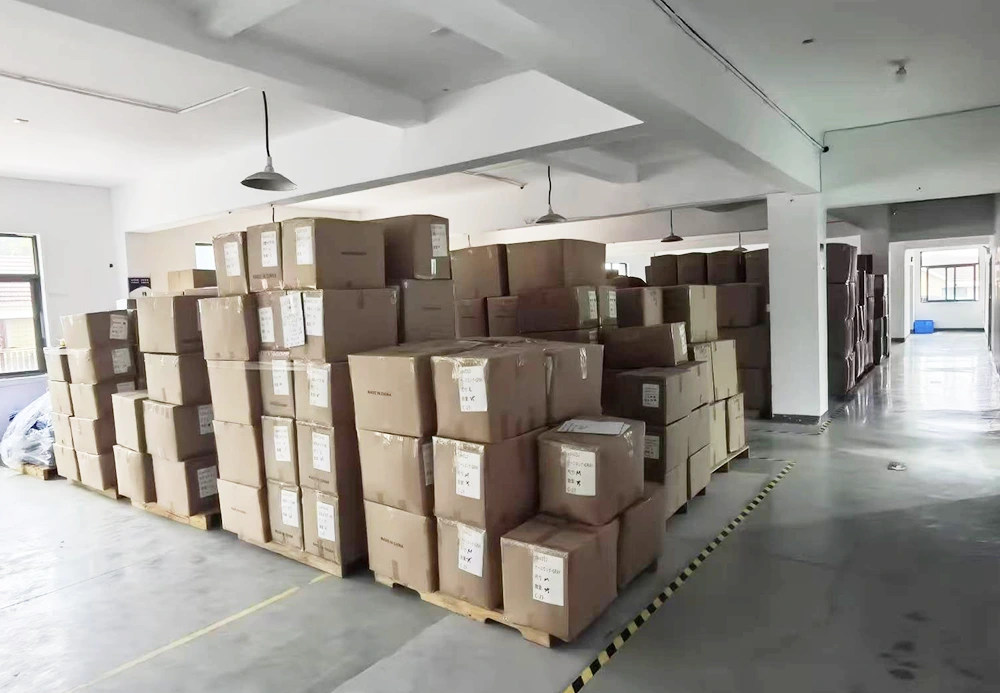
Hao Wangjiao operates a factory of more than 3,000 square meters and has more than 150 sewing machines. Its production process covers design development, sampling, cutting, sewing, quality inspection, packaging and shipment, with Sedex 4P certification as part of its current factory credentials.
FAQ
What is the typical process for developing a new costume?
A new costume generally moves through design development, sampling, material preparation, production, inspection, packaging and shipment. The exact process can vary depending on the costume structure and customization requirements.
Why is sampling important before production?
Sampling allows the costume structure, materials, sizing and character details to be reviewed before production moves to the next stage. It also provides an opportunity to identify design or construction adjustments.
Are Halloween and Christmas costumes produced in the same way?
Many basic manufacturing stages are similar, including cutting, sewing and inspection. However, the materials, garment structures, accessories and decorative details can differ according to the specific costume design.
What should be considered when developing a cosplay costume?
Character details, materials, construction, sizing and accessories should be considered together. Some cosplay designs may also require printed details, hand-painted elements, foam components or detachable parts.
Can costume manufacturers provide customized production?
Yes. Hao Wangjiao provides OEM and customized costume manufacturing services. Production requirements can be discussed according to the design, materials, colors, sizing, packaging and other specifications.
Discuss Your Costume Project
For costume development, seasonal collections or customized production requirements, you can send the product details to Hao Wangjiao for further discussion.
Contact Us