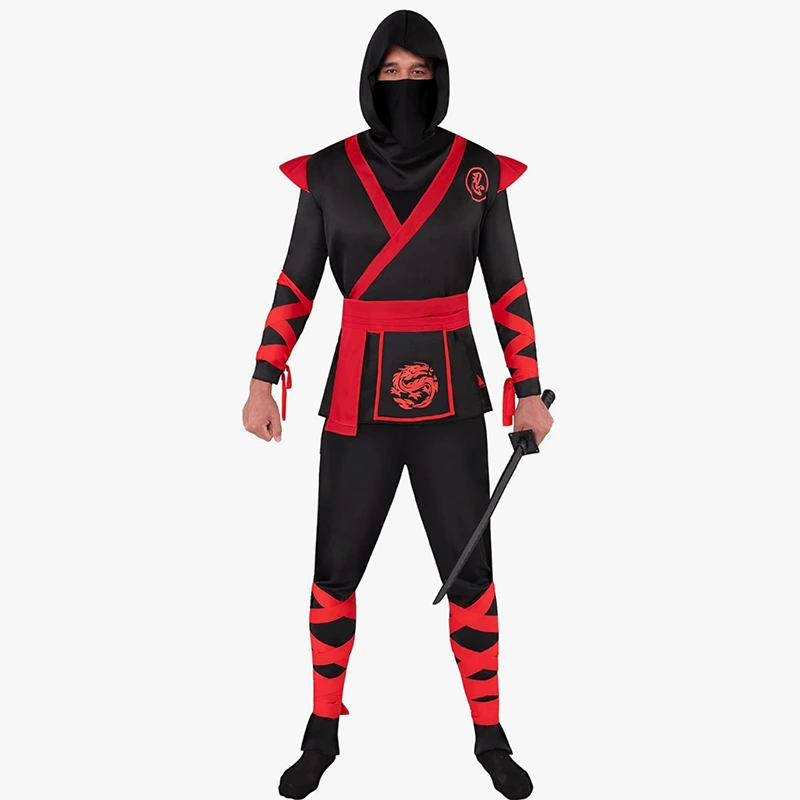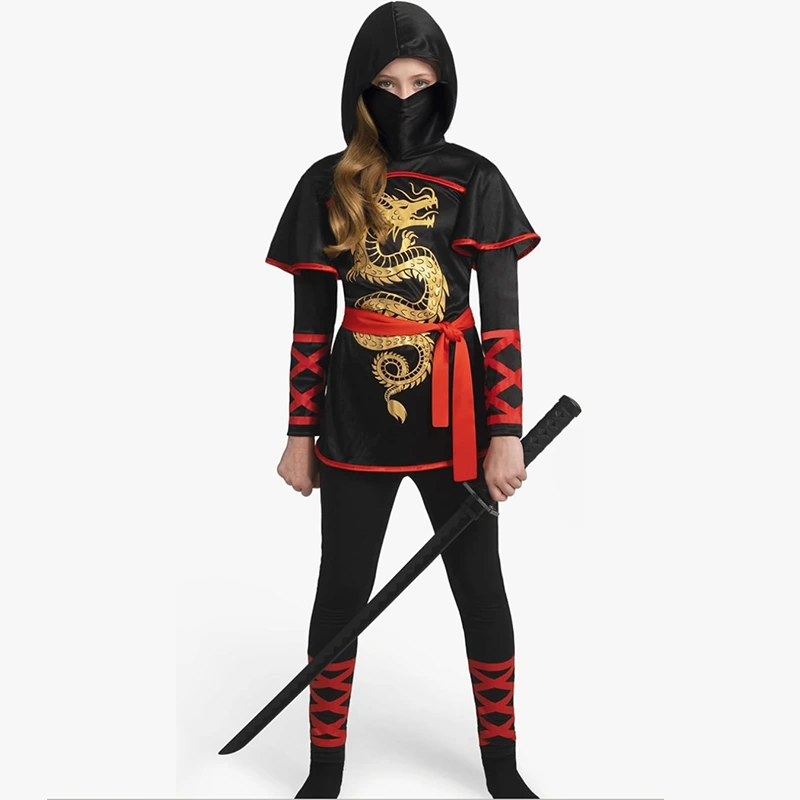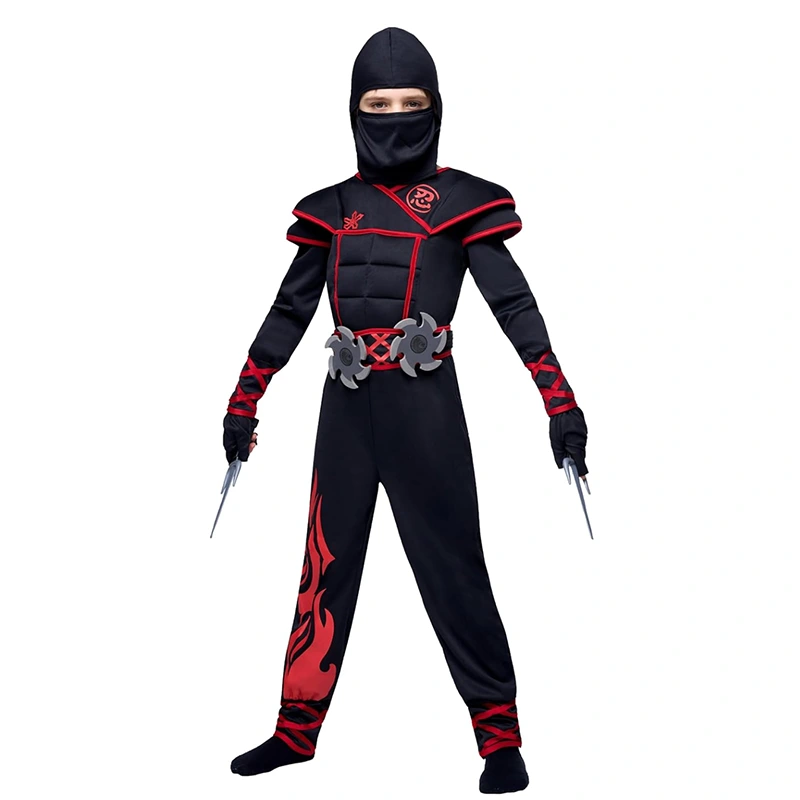

Modern themed‑event apparel demands a balance of authentic styling, movement‑friendly tailoring, fabric safety and complete accessory sets. This article explores core design considerations for female‑focused warrior‑themed outfits, covering fabric testing, ergonomic adjustments, sizing inclusivity, real‑world use‑cases and manufacturing quality standards for party, cosplay and stage‑performance contexts.
Table of Contents — Click links to jump to each section
1. Modern Expectations For Themed Event Apparel2. Fabric Performance and Skin‑Safe Material Standards
3. Ergonomic Tailoring Built For Female Body Movement
4. Inclusive Sizing to Serve Diverse Body Profiles
5. Complete Accessory Sets and Mix‑and‑Match Potential
6. Multi‑Step Quality Assurance for Reusable Party Attire
7. Real‑World Usage Scenarios for Warrior‑Style Cosplay Outfits
8. Frequently Asked Practical Questions
When preparing for Halloween gatherings, cosplay meet‑ups or live stage performances, many event‑goers seek outfits that merge traditional warrior aesthetics with feminine silhouettes. Ninja Costume for Women delivers a ready‑to‑wear ensemble crafted for adult participants who want both visual impact and practical freedom of motion throughout long‑duration events.
1. Modern Expectations For Themed Event Apparel
Many consumers have grown frustrated with disposable party costumes that tear easily, include partial accessory kits or restrict natural body movement. Today’s costume wearers expect more than a one‑night look; they want pieces that survive repeated wear, fit different body shapes and feel comfortable even during hours of dancing, walking and posing for photos.
Retailers stocking themed outfits also face practical pressures. Event‑season inventory needs to serve broad audience ranges, avoid high return rates caused by missing components or poor fit, and satisfy regional safety requirements for imported consumer goods. Generic unisex designs often fail female wearers, because cut proportions ignore hip, torso and shoulder shapes typical for women’s bodies.
Well‑developed themed costumes resolve these pain‑points by centering female wearer needs during the product development phase, rather than adapting men‑oriented patterns with minor cosmetic changes. Design teams test movement patterns, accessory placement and fabric resilience before mass‑production begins, so final pieces work for real‑life event conditions instead of only static showroom photoshoots.
2. Fabric Performance and Skin‑Safe Material Standards
Durability and stretch requirements for active use
Costume fabric must balance visual presentation with physical toughness, especially when wearers squat, gesture widely or participate in stage choreography. Low‑quality thin textiles split along seams after a single use, while properly selected high‑tensile woven fibers maintain shape even with frequent bending and pulling stress.
Seam tensile testing validates that shoulder, hem and tie points resist force without splitting openColor fastness testing prevents dye transfer onto skin or other clothing layers
Ventilation properties reduce overheating during crowded indoor parties
Safety for sensitive skin and import compliance
Garments worn directly against skin need to pass material safety evaluations, checking for harmful chemical residues that could trigger irritation. Reputable manufacturers run incoming‑batch inspections for every fabric roll, verifying compliance with adult‑apparel safety norms widely accepted across European and North American markets.
Storage‑condition simulation testing is another often‑overlooked checkpoint. Costumes sit sealed inside plastic packaging for months in warehouses and shipping containers. Quality testing confirms that any faint packaging odors dissipate quickly once opened for ventilation, removing the requirement to wash brand‑new pieces before first‑time wear.
3. Ergonomic Tailoring Built For Female Body Movement
Standard unisex costume patterns frequently create two frustrating problems for female wearers: belts that slip out‑of‑place during activity and skirt sections that limit leg mobility. Pattern adjustments solve these frictions by re‑engineering key structural zones instead of only adjusting overall garment dimensions.
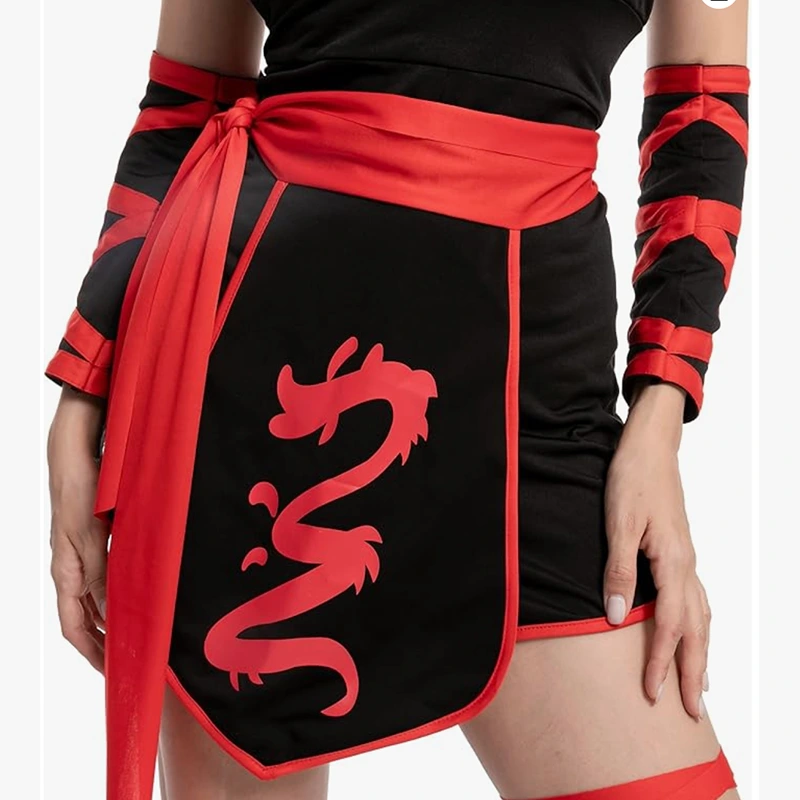
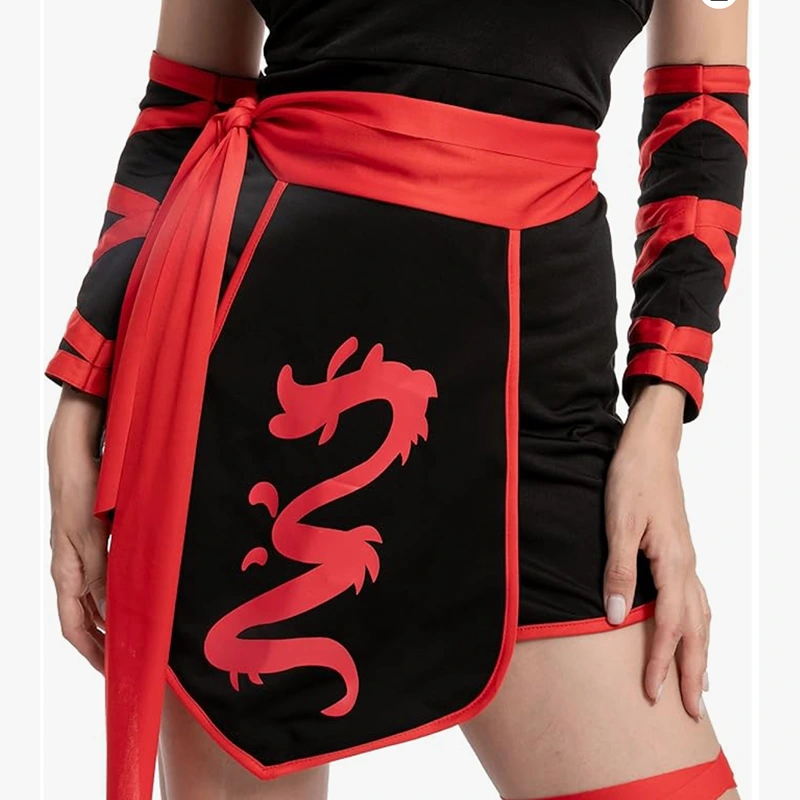
Strategic split hem construction gives extra leg range so wearers can walk freely, squat comfortably and perform dance moves without fabric pulling tight across thighs. Reinforced load‑bearing zones on belt attachment points hold sashes securely positioned through continuous motion. These small but meaningful pattern refinements separate costumes designed only for photos from costumes built for active participation.
When evaluating Ninja Costume for Women, shoppers should look beyond visual appearance and ask whether pattern design addresses real‑world movement challenges rather than relying on generic one‑shape templates.
4. Inclusive Sizing to Serve Diverse Body Profiles
Limited size ranges cut large groups of potential participants out of enjoying themed costumes. Many imported costume lines stop offering extended plus‑size variants, leaving curvier or larger‑framed shoppers without properly fitted warrior‑style options.
| Size Code | Target Body Build | Corresponding US Size Reference |
|---|---|---|
| S | Petite build | US size 2‑4 |
| M | Average build | US size 6‑8 |
| L | Fuller build | US size 10‑12 |
| XL | Curvy build | US size 14‑16 |
| XXL | Plus‑size build | US size 18‑20 |
| XXXL | Extended plus‑size build | US size 22‑24 |
Well‑thought‑out extended sizing is not simply scaling every dimension upward equally. Pattern designers add targeted margin around bust and hip zones, preventing tight restrictive fit for larger‑size wearers while preserving the original costume silhouette. Retail partners also benefit from broad size coverage, because they can serve wider customer segments without sourcing multiple separate costume lines.
5. Complete Accessory Sets and Mix‑and‑Match Potential
A common complaint among costume buyers is receiving partial kits that force extra purchases to finish the character look. Some product listings display full styling in marketing photos yet sell only the main jumpsuit, with masks, straps and protective‑style gear sold separately. This creates unexpected extra expense and ruins event preparation plans.
Integrated multi‑piece kits deliver everything needed to achieve the complete visual concept inside one package. Separate detachable components bring added creative value, allowing costume owners to repurpose individual accessories with other dark‑theme cosplay outfits long after their original event finishes. Arm straps, sleeve covers and mask elements can integrate with many different character concepts for future parties and photoshoots.
Consistent printing and color matching across every piece keeps visual harmony intact. When patterns and color tones mismatch between main garment and add‑on pieces, the finished look feels disjointed and lowers perceived quality. Advanced digital printing techniques support sharp dragon‑theme artwork that remains stable through gentle hand‑washing cycles.
When researching Ninja Costume for Women, always verify exactly which accessories ship within each unit, avoiding disappointment on event day.
6. Multi‑Step Quality Assurance for Reusable Party Attire
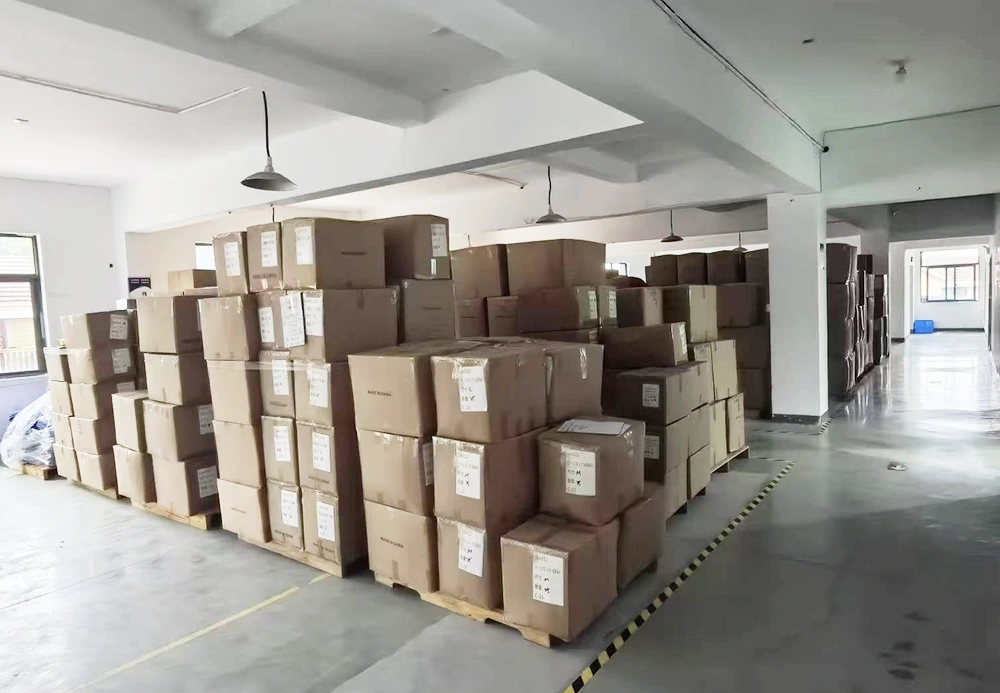
High‑quality costume manufacturing does not end once fabric gets cut and sewn. Structured multi‑stage inspection workflows catch defects before goods leave production facilities. Multiple checkpoints include fabric sampling, seam strength testing, accessory quantity verification, needle detection and full visual inspection for print or stitching flaws.
Metal‑debris scanning via professional needle‑detection equipment fulfills supermarket‑channel requirements for western markets. This process eliminates broken sewing‑needle fragments that could create safety hazards inside finished garments. Without this procedure, importers risk receiving consumer complaints and non‑compliance rejection from large retail buyers.
Finished‑garment washing simulation tests print and stitching durability after repeated gentle cleaning cyclesEvery unit receives manual accessory count before final packaging to prevent missing‑component returns
Mask mesh material gets checked for adequate visibility so wearers navigate dim‑light party spaces safely
Quality control directly shapes end‑user satisfaction and retail‑partner experience. Fewer defective units reduce after‑sales workload for merchants and create more positive experiences for costume end‑users.
7. Real‑World Usage Scenarios for Warrior‑Style Cosplay Outfits
These themed outfits serve many occasions beyond Halloween night. Cosplay convention attendees rely on durable full‑set costumes for long days of walking exhibition halls and posing for fan photography. Amateur stage performers require unrestricted movement while they enact choreographed scenes in front of audiences.
Themed private parties, costume competitions and creative photoshoots represent further popular use‑cases. For content creators, cohesive visual sets deliver consistent aesthetics across photo and video sessions. The versatility comes from both base garment quality and modular accessories users can rearrange to adjust visual intensity depending on event context.
Merchants supplying cross‑border e‑commerce platforms, brick‑and‑mortar party‑goods shops and overseas supermarket chains prioritize costumes built for these varied use‑cases. Flexible order arrangements enable retailers to combine warrior‑style kits alongside witch, pirate or reaper‑themed apparel without committing to huge minimum volumes for each single design.
Ninja Costume for Women works effectively for all‑these contexts, thanks to its combination of inclusive sizing, movement‑friendly cuts and complete accessory packaging.
8. Frequently Asked Practical Questions
Can individual strap accessories work with other cosplay clothing?
Arm guards, leg straps and sleeve‑cover elements detach fully. Wearers can combine these hardware‑style pieces with many different dark‑toned cosplay garments for creating new custom character looks.
How do extended plus‑size variants maintain comfortable fit?
Side sections incorporate intentional loose margin around bust and hip regions. This pattern approach avoids tight constriction while preserving the original costume visual silhouette for larger‑body frames.
Can print patterns get adjusted for large‑volume custom orders?
Pattern and color modification services become accessible once specified order thresholds are achieved. Modified sample garments can be produced for confirmation before full production runs start.
Will the fabric trigger skin discomfort for people with sensitive skin?
Fabric batches complete skin‑contact safety assessments to limit harmful chemical residues. This allows direct wear for most people with sensitive skin profiles.
Does mask mesh reduce visibility inside dim‑light party environments?
Widened mesh sections maintain clear sight‑lines under indoor artificial lighting and outdoor night‑time conditions, so wearers can move safely through event spaces.
When sourcing or shopping for female‑focused warrior‑themed costume pieces, keep the key evaluation criteria front‑of‑mind: inclusive sizing range, movement‑optimized pattern work, complete accessory kits, verified material safety standards and multi‑layer production quality checks. These attributes separate short‑lived disposable costumes from reusable outfits that deliver enjoyment through multiple event seasons. Ninja Costume for Women integrates every one of these critical design points for end‑users and wholesale buyers alike.
For businesses looking deeper into manufacturing capability, visit Hao Wangjiao to read additional background about product development and factory workflows.